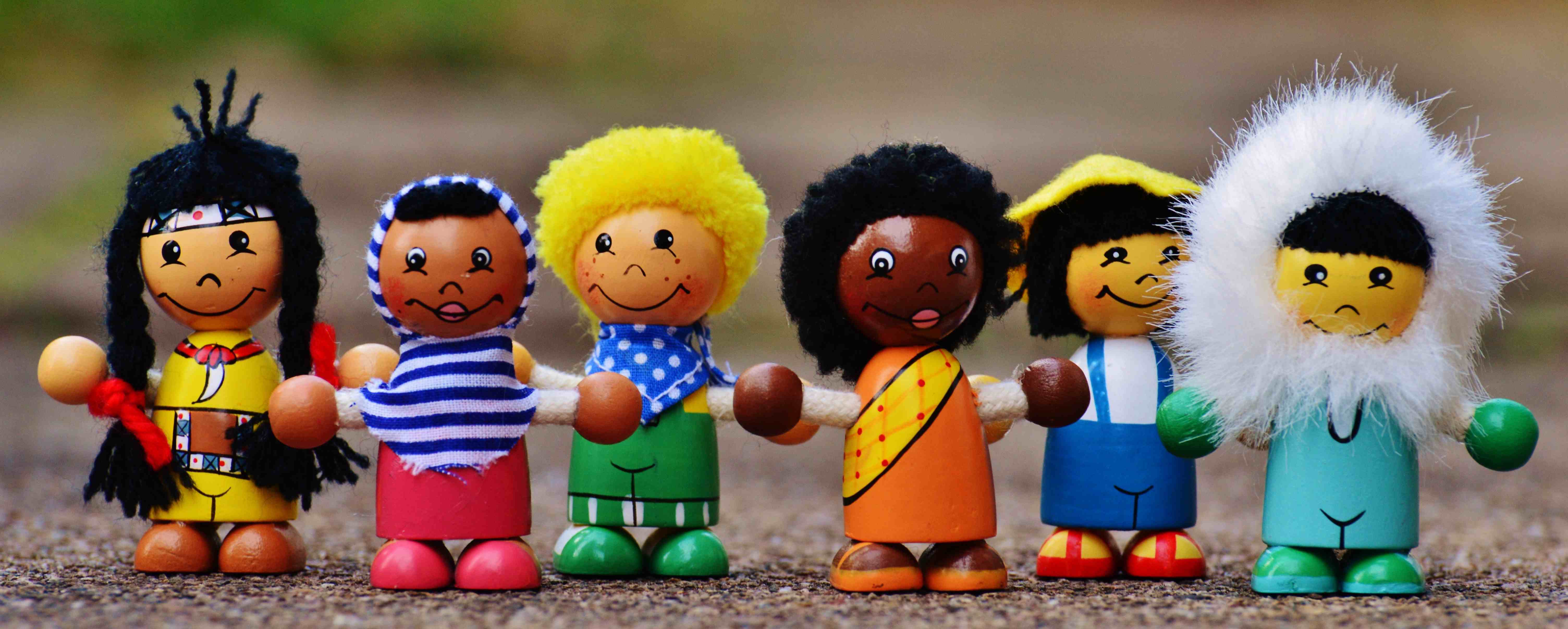
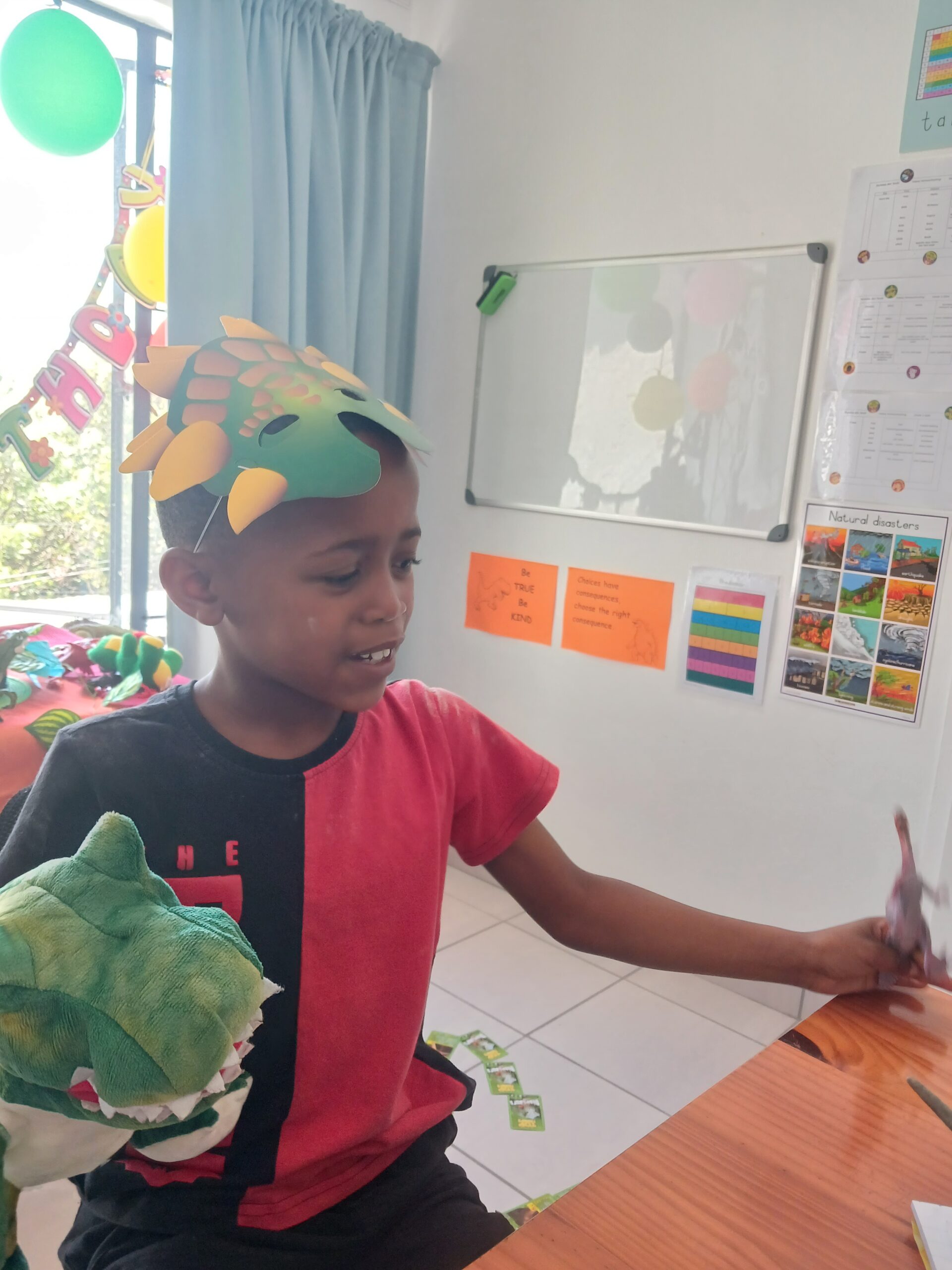
Drama, dressing up and dreaming: all part of childhood. Most of us want to stay young: no responsibilities with our only jobs to play and learn. Not having to make money or to worry about everyday problems such as illness.
Being a child, however, is very important so that an individual’s brain can develop and provide the foundation for all future learning, behaviour and health and unfortunately children are sometimes robbed from their childhoods. This happens in various ways: death in the family, divorce, illness, poverty.
A happy child can become an adult with a meaningful life. A sad child can become a burden to society. Harsh words but proved to be true. To become an adult satisfied with life a healthy family life and emotional health is important. Happy childhoods help children develop skills and habits that can teach them to be successful and joyful throughout life.
Positive childhoods proved to ensure better overall mental health when becoming an adult. People who had positive childhoods also tend to be happier in their workspace and social life.
It is so important for parents to help their children reach a positive adulthood. They can do this by providing an environment that supports positive feelings, activities filled with meaning and opportunity to develop social skills.
When parents help their children in reaching a positive adulthood, they ensure their children to be successful and happy no matter what.
Childhood is supposed to be the most carefree stage of life, but it is not always the case. What happens to a child when tragedy strikes? Some of the symptoms that develop in trauma are nightmares, anxiety, changes in appetite, irritability and sleep and appetite disturbances.
What can we do to put a plaster on tragedy and heal the mind of a child before it is too late?
Play therapy is one way of dealing with the negative impact of trauma.
Play therapy is a type of psychotherapy that can be used to help children process trauma.
Children communicate and express themselves through play such as in art, video games and playing with toys as well as music.
Play therapy is typically used with children ages 3–12, but it can also be used with older children or adults with cognitive impairments.
Early intervention through therapy can help children process their trauma and develop healthy coping mechanisms.
Children develop coping mechanisms by play therapy. Play therapy also has other benefits like building self-awareness and confidence and developing better communication and problem-solving skills.
Next time it seems like your child might be losing touch with reality, it might just be that he or she is using play as coping mechanism for something traumatic that happened to them.
Read the signs of play – the who, when, where, what and why of the game is important. Don’t underestimate play. Rather become part of the process.